Why the updated Nutrient Profiling Model matters – and why we need it now
Dr Kath Roberts, Senior Lecturer in Public Health Nutrition, University of York
Member of the Obesity Health Alliance and Chair of the Communications Sub-Committee, Association for the Study of Obesity
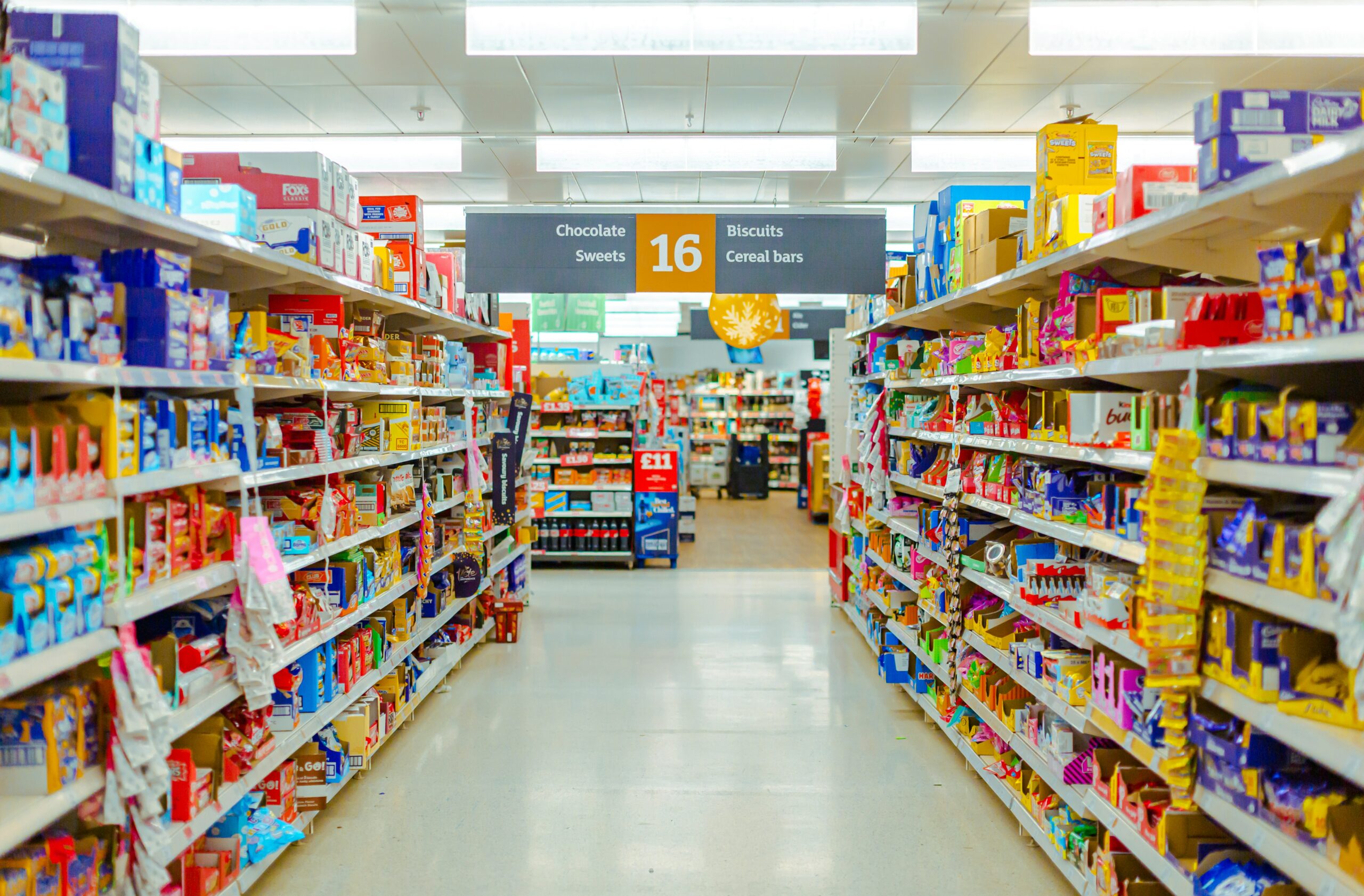
The Nutrient Profiling Model (NPM) operates largely behind the scenes, but its impact on food marketing and public health is substantial. Indeed, it could be considered one of the most important pieces of public health infrastructure we have. It quietly but authoritatively determines which foods are considered ‘healthier’ or’ ‘less healthy’ in law and therefore which products can be advertised to children, promoted online, or placed in high-impact locations such as supermarket checkouts and end-of-aisle displays.
As a public health nutrition scientist, I want to be clear: this update is not about ‘nanny statism’ or reducing choice. It is about aligning regulation with the best available science and doing so at a pace that reflects the scale and urgency of the health challenges we face.
The science has moved on – the model had to follow
The original UK NPM was developed over 20 years ago. At the time, it was internationally respected and underpinned landmark policies, including restrictions on TV advertising of unhealthy foods to children. But nutrition science does not stand still.
Since then, the evidence linking diets high in free sugars, salt and saturated fat to obesity, dental decay, cardiovascular disease and type 2 diabetes has strengthened significantly. We also now have a much clearer understanding of how food environments shape behaviour, particularly for children, and how marketing powerfully influences preferences and consumption, independent of individual ‘choice’.
The updated NPM reflects this evolution in evidence. One of the most important changes relates to sugar. The original model relied on total sugars, which did not adequately distinguish between sugars naturally present in foods such as fruit and milk, and free sugars added to foods and drinks or found in honey, syrups and fruit juices. The updated model places greater emphasis on sugars of public health concern.
In practice, this means products high in free sugars are more accurately classified as less healthy, and it is no longer possible for high-sugar products to be promoted as healthier choices through minor reformulation or the addition of other nutrients such as protein or fibre. This reflects the evidence that diet quality is driven by overall food composition rather than single nutrients and reduces loopholes that previously allowed some high-sugar or high-salt products to be marketed as acceptable options.
This is not about perfection; no profiling model ever is. But it is a significant step closer to a classification system that better reflects current dietary recommendations and how foods actually contribute to population health.
Children are exposed and vulnerable
From a public health perspective, the case for action is strongest for children. The statistics are stark and well-documented, but no less troubling for that: around one in five children in England have tooth decay by the time they start school, and a similar proportion of children aged 4-5 are already living with excess weight. These patterns track strongly with deprivation and widen as children grow older.
Children do not design food environments. They do not control advertising algorithms, supermarket layouts, or marketing in digital spaces. The evidence is unequivocal that exposure to advertising for less healthy foods increases children’s consumption of those products, both immediately and over time.
By using a more robust NPM to underpin advertising and promotion restrictions, we reduce this exposure at scale. Importantly, this does not rely on parents having to be constantly vigilant or children having to exercise unrealistic levels of self-control. It changes the default environment in which choices are made.
A level playing field for industry – and a signal for reformulation
An often overlooked strength of a more robust NPM is the clarity and consistency it provides for industry. When the rules are transparent and grounded in science, they create a strong incentive for reformulation. Experience shows that reformulation is not a single event but a journey. The substantial reductions in salt achieved across the food supply were delivered incrementally over time, as targets were progressively strengthened and industry adapted.
Earlier reformulation to meet the previous Nutrient Profiling Model represented a step in the right direction. The updated model reflects the fact that the evidence base has moved on and that further progress is both possible and necessary. It sends a clear signal that products marketed most heavily need to meet higher nutritional standards, rewarding innovation that delivers genuine improvements in nutritional quality rather than relying on marketing or marginal nutrient adjustments.
Why urgency matters
Some argue that now is not the right time, that the food system is under strain, or that the impacts are regressive. But the health impacts of poor diet are not paused while we wait. Diet-related disease remains one of the largest contributors to preventable ill-health and health inequalities in the UK, placing enormous pressure on the NHS and on families.
Delaying implementation of a stronger NPM is not a neutral act. It actively maintains an environment that promotes over-consumption of less healthy foods, particularly among children and those living in more deprived areas.
A necessary foundation, not a silver bullet
No one working in public health believes that a nutrient profiling model alone will ‘solve’ obesity or poor diet. But it is a necessary foundation for effective policy. Without a scientifically credible way of defining which foods are suitable for promotion, regulation becomes inconsistent, vulnerable to challenge, and ultimately ineffective.
The updated NPM provides that foundation. It reflects current science, prioritises children’s health, supports fair and transparent regulation, and aligns policy with the realities of modern food environments.
From a scientific and public health perspective, the question is no longer whether we need an updated model. It is whether we are prepared to act on the evidence we already have.