
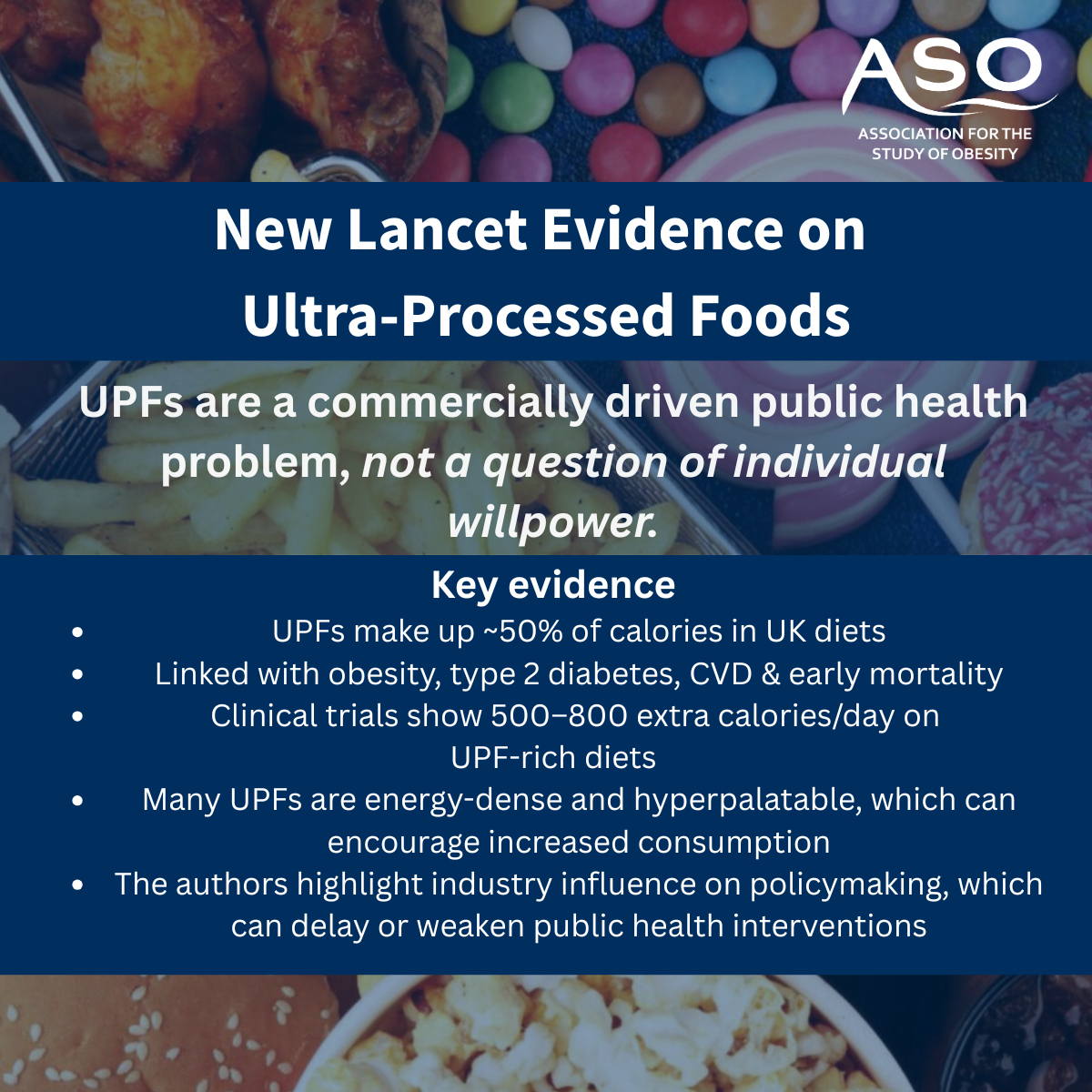
A major new series published in The Lancet has examined the global rise of ultra-processed foods (UPFs) and their implications for population health. The three papers bring together a substantial body of evidence from observational studies, clinical trials and policy analysis to assess how UPF-rich diets are affecting health outcomes and what actions are required to address them.
The authors review consistent epidemiological findings linking higher consumption of UPFs with increased risks of obesity, type 2 diabetes, cardiovascular disease and premature mortality. Controlled feeding trials also indicate that UPF-rich diets can lead to higher daily energy intake and weight gain, even when nutrient profiles are matched. The series highlights the ways in which food environments, commercial determinants and global supply chains contribute to the growing dominance of UPFs in diets around the world.
While further mechanistic and causal research is encouraged, the authors state that the existing evidence base is already sufficient to inform meaningful public health and policy action. They emphasise that waiting for perfect evidence risks delaying interventions that are known to improve population diet quality and reduce exposure to unhealthy food environments.
For ASO, the findings of the series reinforce the importance of focusing on the structural and commercial drivers of diet-related ill health. Effective approaches to reducing obesity require coordinated system-level policies that:
• limit exposure to unhealthy food environments
• strengthen restrictions on marketing and promotion of unhealthy products, especially to children
• improve clarity and consistency of labelling and fiscal measures
• increase the availability and affordability of minimally processed foods
• ensure policy responses address inequalities and meet the needs of underserved communities
These findings are relevant to ongoing policy discussions in the UK, including measures within the Government Food Strategy, the future of marketing and promotion restrictions for high fat, salt and sugar (HFSS) products, and wider efforts to improve diet quality and reduce health inequalities.
ASO encourages policymakers, researchers, clinicians and public health partners to engage with the evidence presented in the series and consider how it can inform future UK policy design. Addressing the obesogenic food environment remains a crucial part of improving health outcomes and supporting sustainable reductions in obesity.
Read the Lancet series:
https://www.thelancet.com/journals/lancet/article/PIIS0140-6736(25)02322-0/fulltext?rss=yes